
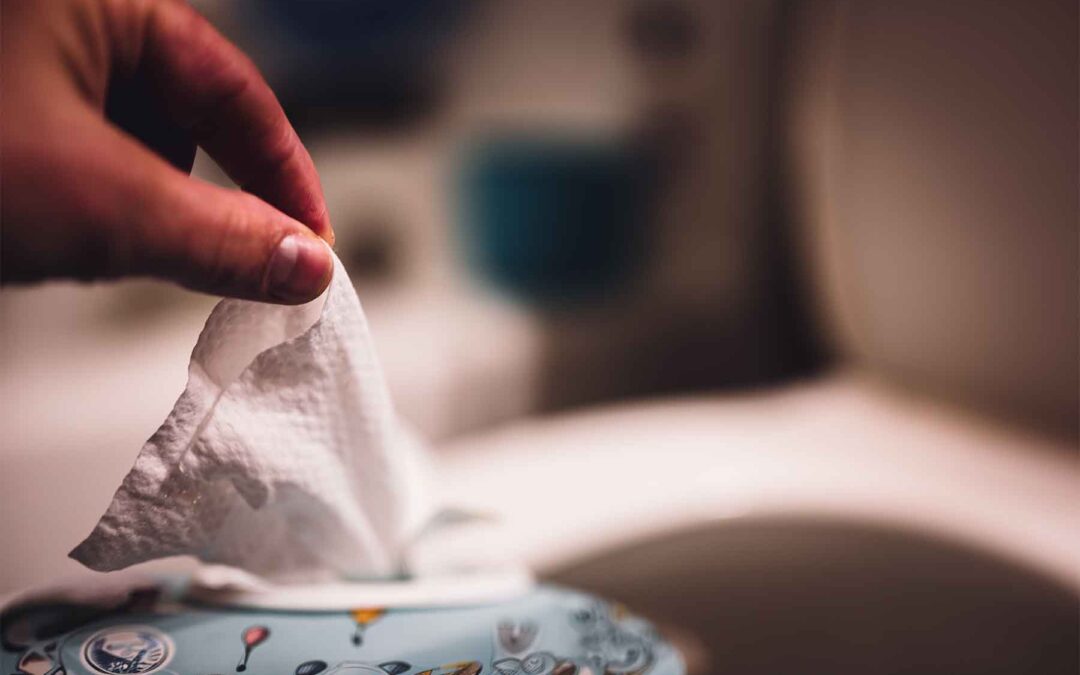
Disposable wipes have become a household staple. Whether they’re labeled as baby wipes, disinfecting wipes, personal hygiene wipes, or even “flushable” wipes, many people assume they can safely go down the toilet. Unfortunately, that’s one of the most expensive plumbing mistakes homeowners make.
At AmeriPro Plumbing, we’ve responded to countless drain backups and septic system failures caused by wipes that simply don’t break down like toilet paper. Understanding the risks can help you avoid costly repairs and protect your home’s plumbing system.
Are Flushable Wipes Really Flushable?
The short answer is not in the way most people think.
While many wipes are marketed as “flushable,” they are significantly stronger than toilet paper. Toilet paper is specifically engineered to dissolve quickly when it enters water. Most disposable wipes are designed to remain intact, making them excellent for cleaning—but terrible for your plumbing.
Instead of breaking apart, wipes often remain whole as they travel through your drain lines.
Over time they can:
- Catch on rough pipe surfaces
- Wrap around tree roots invading sewer lines
- Combine with grease and debris
- Create stubborn blockages
- Reduce the flow of wastewater
Eventually, this can lead to a complete sewer backup.
How Wipes Affect Septic Systems
If your home has a septic system, the risks become even greater.
A properly functioning septic tank depends on naturally occurring bacteria to break down waste. Toilet paper decomposes relatively quickly, but disposable wipes can remain intact for months—or even years.
As wipes accumulate inside the septic tank, they can:
Fill the tank more quickly
Reduce available treatment capacity
Interfere with bacterial activity
Increase the need for pumping
Cause solids to move into the drain field
When solids escape into the drain field, repairs become significantly more expensive and may even require partial replacement of the septic system.
Common Plumbing Problems Caused by Disposable Wipes
Many homeowners don’t realize wipes are the cause until the plumbing stops working.
Some of the most common symptoms include:
Frequent Toilet Clogs
If the same toilet clogs repeatedly, wipes may be creating an obstruction further down the drain line.
Slow Drains Throughout the Home
Multiple slow fixtures often indicate a developing blockage in the main sewer line.
Sewage Backups
When wipes combine with grease, paper products, and other debris, wastewater can back up into sinks, tubs, or toilets.
Septic Tank Overflow
An overloaded septic system may struggle to process wastewater, resulting in unpleasant odors, standing water, or sewage surfacing in the yard.
What Happens Inside Your Sewer Line?
Imagine dropping a wet towel into a narrow pipe.
Unlike toilet paper, wipes don’t dissolve into small fibers. Instead, they remain largely intact, allowing additional debris to catch on them.
Over time, one wipe becomes several.
Several become dozens.
Eventually, the blockage grows large enough that wastewater can no longer pass through freely.
In municipal sewer systems, these massive accumulations are often referred to as “fatbergs” because wipes combine with grease, oils, and fats into rock-hard obstructions.
What Should Never Be Flushed?
Only two things belong in your toilet:
- Human waste
- Toilet paper
Everything else belongs in the trash.
Avoid flushing:
- Baby wipes
- Disinfecting wipes
- Makeup remover wipes
- Cleaning wipes
- Paper towels
- Feminine hygiene products
- Cotton balls
- Cotton swabs
- Dental floss
- Facial tissues
- Disposable cleaning pads
Even products labeled as “biodegradable” or “flushable” can cause problems before they have time to break down.
Signs You May Already Have a Wipe Blockage
Watch for these warning signs:
- Toilets that gurgle
- Water backing up into showers
- Slow draining sinks and tubs
- Bad odors coming from drains
- Frequent plunging
- Multiple clogged fixtures
- Sewage backing up into the home
If several of these symptoms appear together, it’s time to have your sewer line professionally inspected.
How a Video Sewer Inspection Can Help
If wipes have created a blockage, guessing isn’t the best solution.
A professional video sewer inspection allows plumbers to:
- Locate the blockage
- Determine its severity
- Check for pipe damage
- Identify tree root intrusion
- Recommend the most effective repair
This technology removes the guesswork and helps avoid unnecessary excavation.
How to Protect Your Septic System
Good septic maintenance starts with good flushing habits.
Some simple steps include:
- Never flush disposable wipes.
- Dispose of wipes in a trash container.
- Schedule regular septic pumping based on your household size.
- Avoid pouring grease down drains.
- Use water efficiently to reduce strain on the system.
- Have your plumbing inspected if you notice recurring drain problems.
Small changes today can help prevent thousands of dollars in repairs later.
Trust AmeriPro Plumbing for Sewer Solutions
Whether you’re dealing with a clogged drain, recurring sewer backups, or concerns about your septic system, AmeriPro Plumbing has the experience and equipment to diagnose the problem quickly.
Our team provides honest recommendations, quality workmanship, and dependable plumbing solutions for both residential and commercial customers. From video sewer inspections to sewer line repairs and replacements, we’re committed to helping you protect your home and plumbing investment.
If you’ve been flushing disposable wipes—or you’re already experiencing slow drains or backups—don’t wait until a small problem becomes a major repair.
Contact AmeriPro Plumbing today to schedule a professional sewer inspection and keep your plumbing system flowing properly.